June is
Pride Month
Pride Month is an annual, month-long celebration of the societal contributions and history of the lesbian, gay, bisexual, transgender, and queer (LGBTQ+) community. From major cities to rural counties, communities across the world host colorful celebrations including parades, picnics, concerts, festivals, and more.
While Pride Month is a joyful celebration of love and acceptance, it is also a time to remember the struggles LGBTQ+ people have faced throughout history and continue to confront today. Pride Month is celebrated in June to commemorate the Stonewall Riots in June of 1969, a six day-long clash between LGBTQ+ activists and police after the violent raiding of New York City’s Stonewall Inn.
History
The LGBTQ+ Rights Movement in the United States began 100 years ago in 1924 with the founding of the Society for Human Rights in Chicago. This was the first recognized gay rights group in US history.
In its early days, the LGBTQ+ rights movement experienced significant setbacks and was facing a decades-long struggle for acceptance and support.
In 1952, the American Psychiatric Association listed homosexuality as a form of mental disorder, and in 1953, President Dwight D. Eisenhower signed an executive order banning gay people from federal jobs. Queer people were denied employment, housing, loans, healthcare, and other basic rights.
Homosexuality and queerness were criminalized throughout history via harsh laws and statutes. Engaging in even mildly affectionate behavior in public with someone of the same sex was illegal in most of the United States, leading to continued harassment, arrests, and murders of LGBTQ+ individuals.
In June of 1969, police violently and aggressively raided the Stonewall Inn—a gay club in Greenwich Village, New York City. Police raids were common at LGBTQ+ hubs, but this time, queer patrons fought back. For six days, the Stonewall Riots clashed with police outside the club, making headlines around the world and putting the gay rights movement in the spotlight. On the first anniversary of the Stonewall Riots, community members in New York City organized the Christopher Street Liberation Day March—the first gay pride parade in history.
The fight for gay rights continued throughout the rest of the 20th century as the AIDS epidemic devastated the gay community across the United States. Over 700,000 people have died in the United States since the beginning of the epidemic— most of whom were gay men and transgender women. Government and public health officials ignored the epidemic, allowing the disease to decimate queer communities across the country.
In 2015, the Supreme Court Case Obergefell v. Hodges made gay marriage the law of the land in the United States. Seven years later, in 2022, President Biden signed the Respect for Marriage Act, which codified the right for same-sex couples to marry in the United States.
Still, across the country, LGBTQ+ rights remain under attack, particularly for transgender and nonbinary people. That’s why Pride Month is so important—it’s a time to recommit ourselves to true allyship with the LGBTQ+ community.
The Stonewall Riots
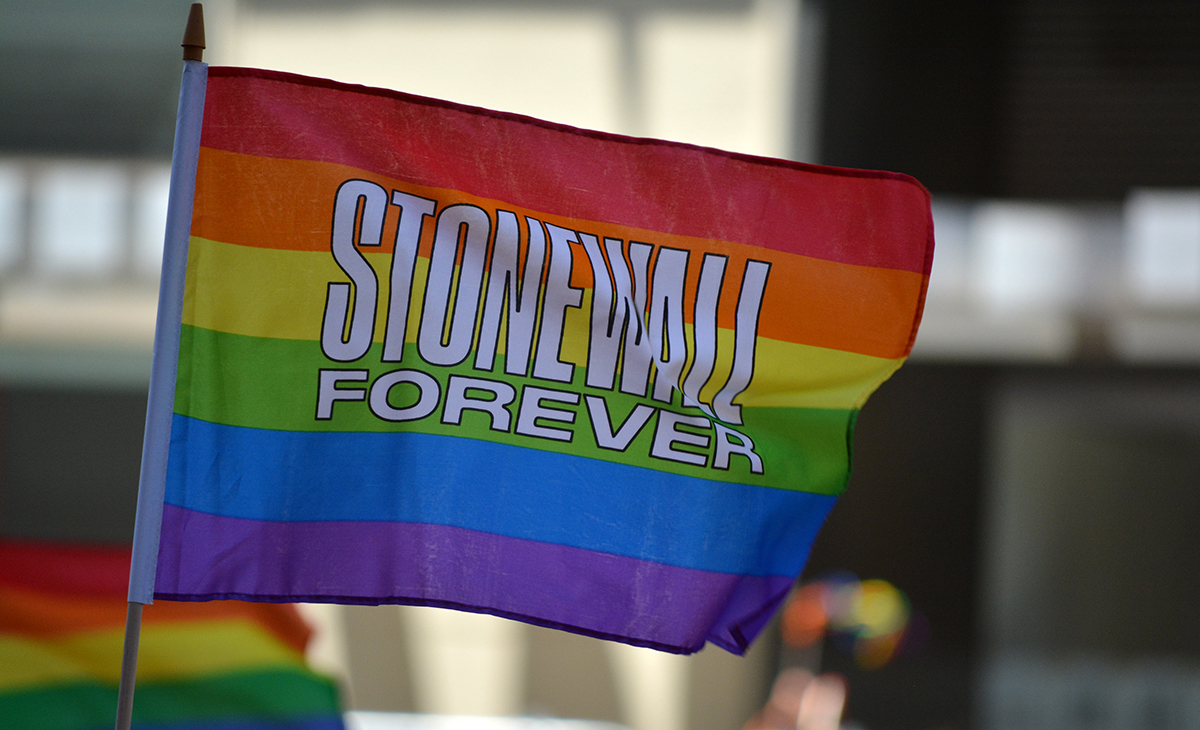
The Stonewall Riots in New York City are considered a pivotal and defining moment of the Gay Rights Movement.
They began June 28, 1969, after police aggressively raided the Stonewall Inn, a gay club in Greenwich Village. The riots lasted six days and made headlines around the world, putting the gay rights movement in the global spotlight.
The following year, on the one-year anniversary of the riots, community members in New York City organized and participated in a Christopher Street Liberation Day march. This is now considered to be the first gay pride parade.
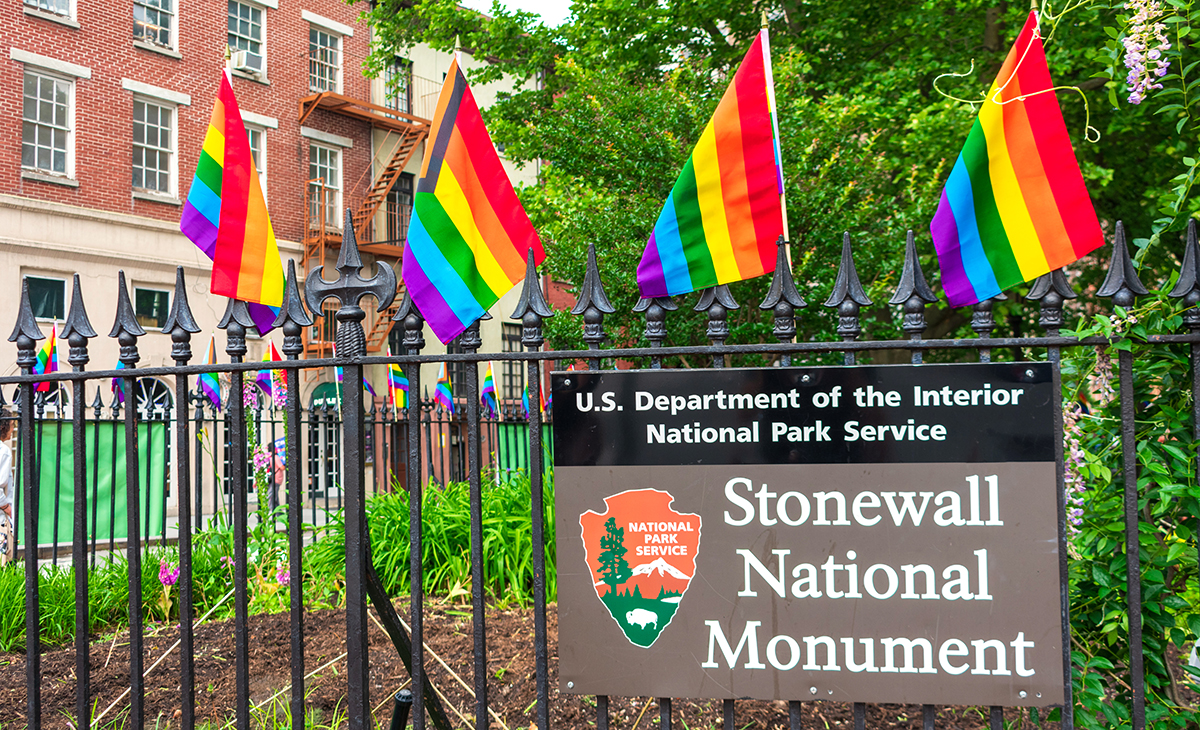
On June 24, 2016, President Obama announced the designation of the first national monument to lesbian, gay, bisexual, and transgender (LGBT) rights known as The Stonewall National Monument. It encompasses Christopher Park, the Stonewall Inn, and the surrounding streets that were the sites of the 1969 Stonewall uprising.
Standing Up for the LGBTQ+ Community
Pennsylvania Senate Democrats are committed to fighting for equality and fair treatment for all individuals, regardless of their sex, sexual orientation, or gender identity, expression. This work continues at a crucial time when legislative bodies across the country, including here in Pennsylvania, introduce and pass discriminatory bills targeting the LGBTQ+ community.
In May 2023, House Democrats made history when they passed HB 300, the Fairness Act. The legislation would ban discrimination in Pennsylvania based on sex, sexual orientation, or gender identity, expression. Republican Senate leadership never considered the bill.
Governor Josh Shapiro, who as Attorney General consistently fought for LGBTQ+ Pennsylvanians and has stood up to the Trump Administration’s efforts to roll back rights and protections, says he would proudly sign the bill if it reaches his desk.
Senate Democrats strongly support the Fairness Act (HB 300) and hope to see it’s passage in both chambers this legislative session year.
Our members have also introduced their own bills to improve current systems and better serve and empower the LGBTQ+ community, including:
SR 329 − Resolution Recognizing June 2026 as LGBTQ+ Pride Month in Pennsylvania (Street) – This resolution would recognize June as Pride Month and the history and contributions of the LGBTQ+ community in Pennsylvania.
SB 944 − Protections for LGBTQ Foster and Adoptive Parents (Comitta, Schwank, Kim, Collett) – This bill would prohibit a service provider from denying any person the opportunity to become an adoptive or a foster parent, or delaying or denying the placement of a child or youth for adoption or into foster care, on the basis of the real or perceived disability, race, creed, religion, color, sex, sexual orientation, gender identity, gender expression, marital status, national origin, ancestry, or any communicable disease, including HIV, of the prospective adoptive or foster parent or the child.
SB 1103 − Pennsylvania Right to Read Act (Cappelletti) – This bill would prohibit the removal books from libraries based on partisan or doctrinal disapproval, and develop a written statement that prohibits local libraries from banning books. A large portion of challenged and banned books are written by LGBTQ+ authors or about LGBTQ+ subjects.
CS Memo (Cappelletti) – This bill would create alternative sentencing for survivors of domestic violence who go on to be charged with crimes. Half of LGBTQ+ individuals report facing domestic violence in their lifetime, and offenders who are victims of domestic violence often have extenuating circumstances leading to criminal activity by force or in self-defense.
CS Memo (L. Williams, Cappelletti, Kearney, Muth) – Resolution designating November 20 as Transgender Day of Remembrance and November 13-19 as Transgender Awareness Week, honoring Transgender individuals lost to violence and bring attention to the experiences of transgender people in the Commonwealth.
CS Memo (Street) – This bill would ward grants to non-profit organizations and local governments for health care, cultural competency, computer training, job placement, social activities, and other programs that specifically help the LGBTQ+ senior community.
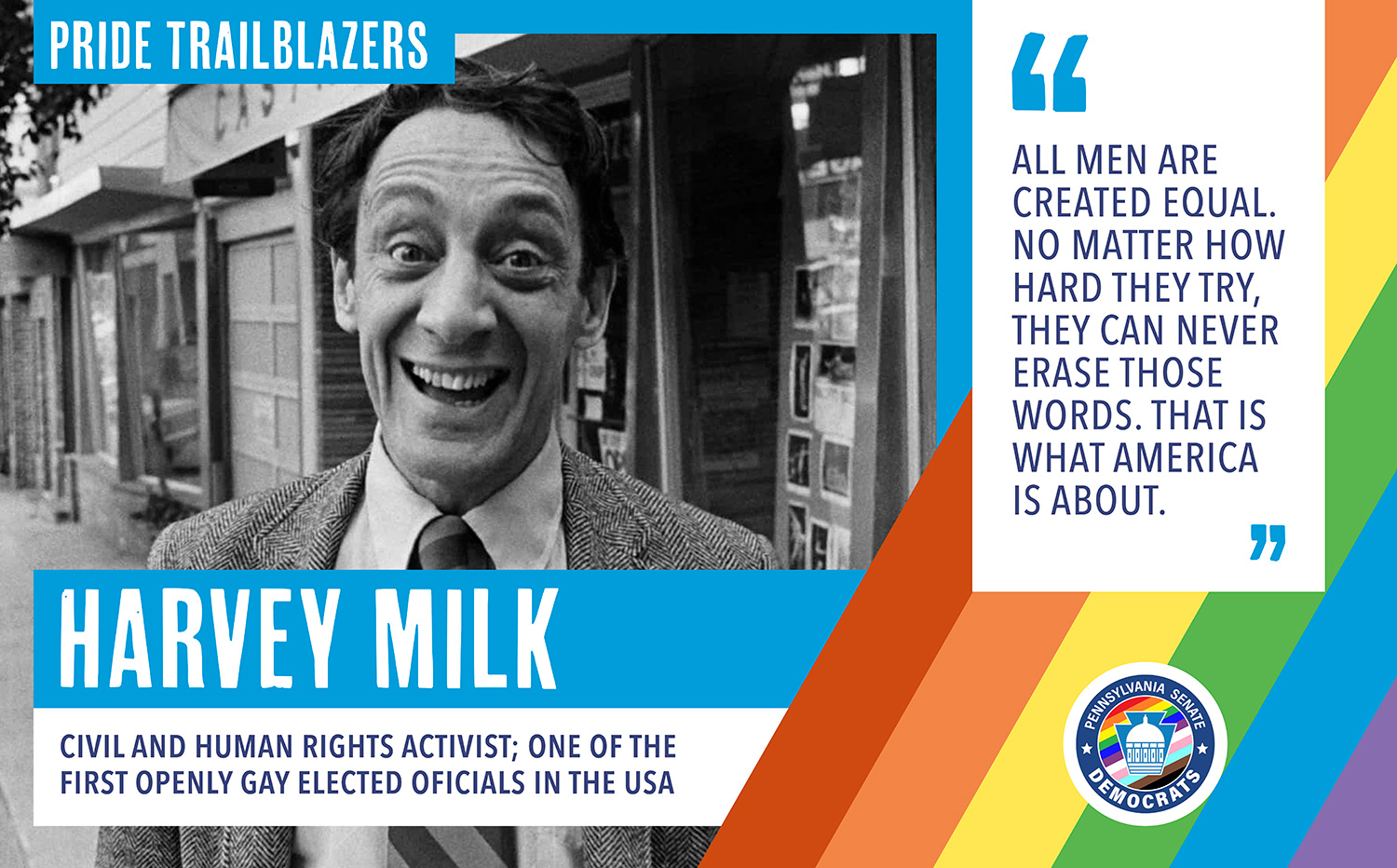
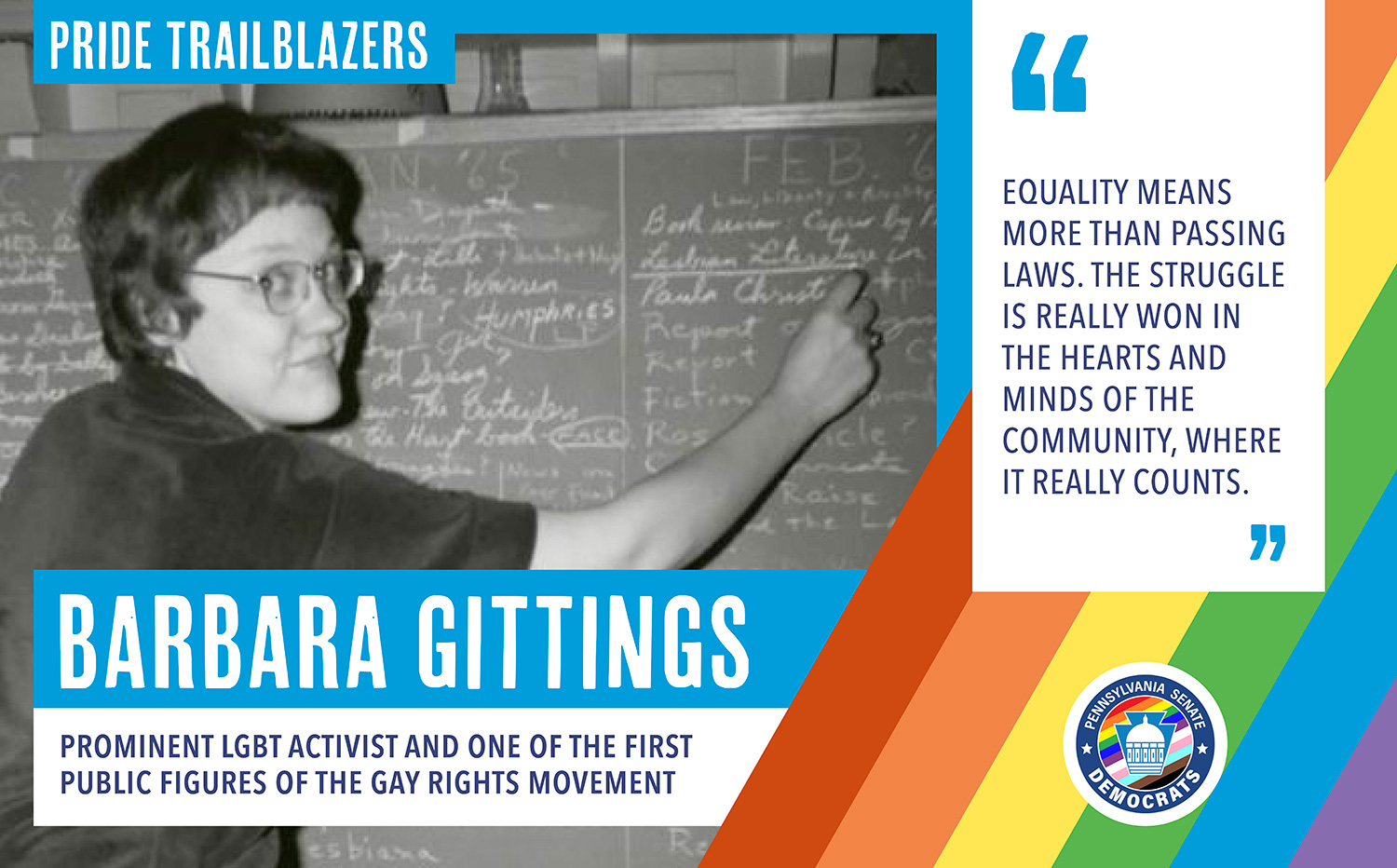
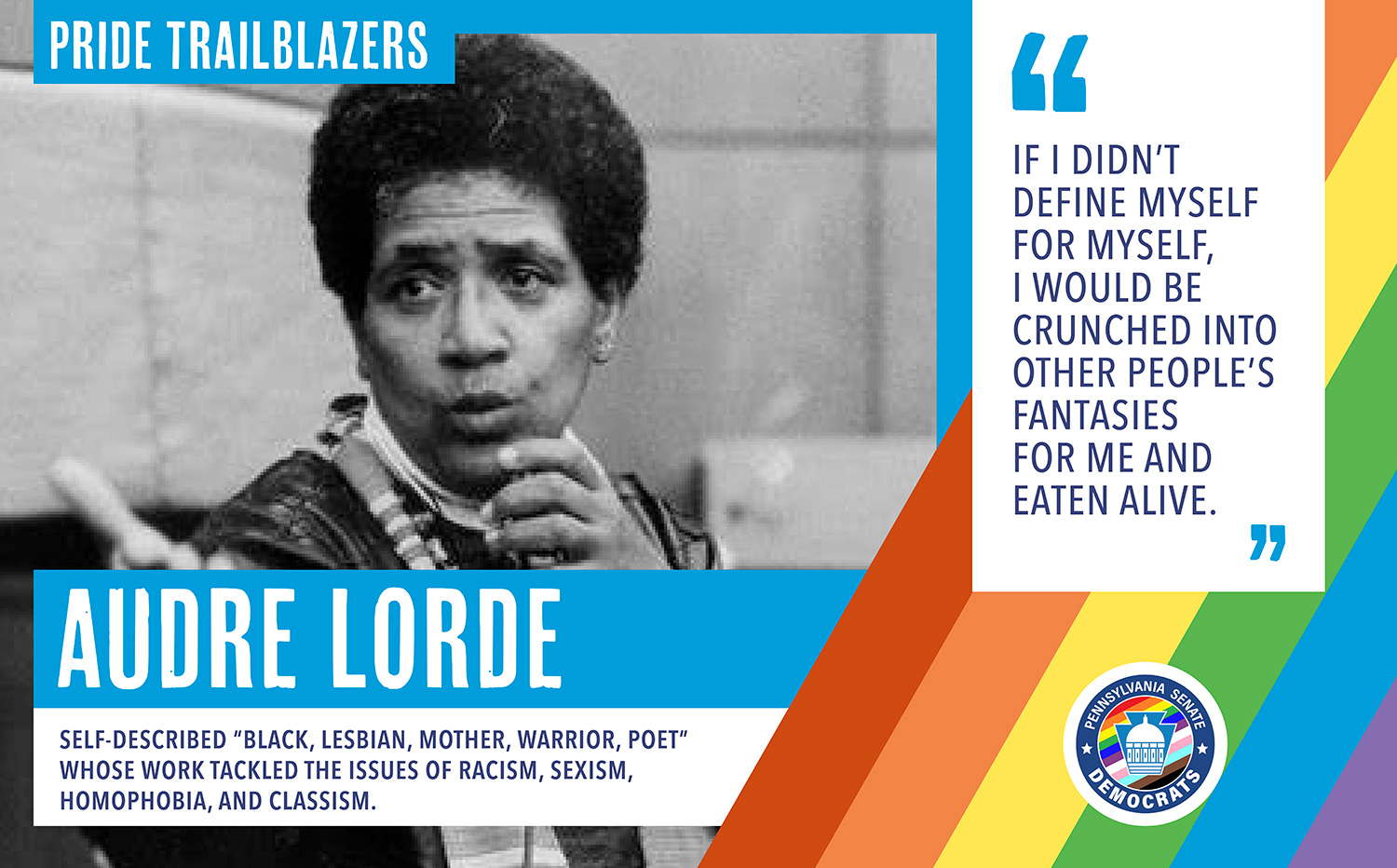
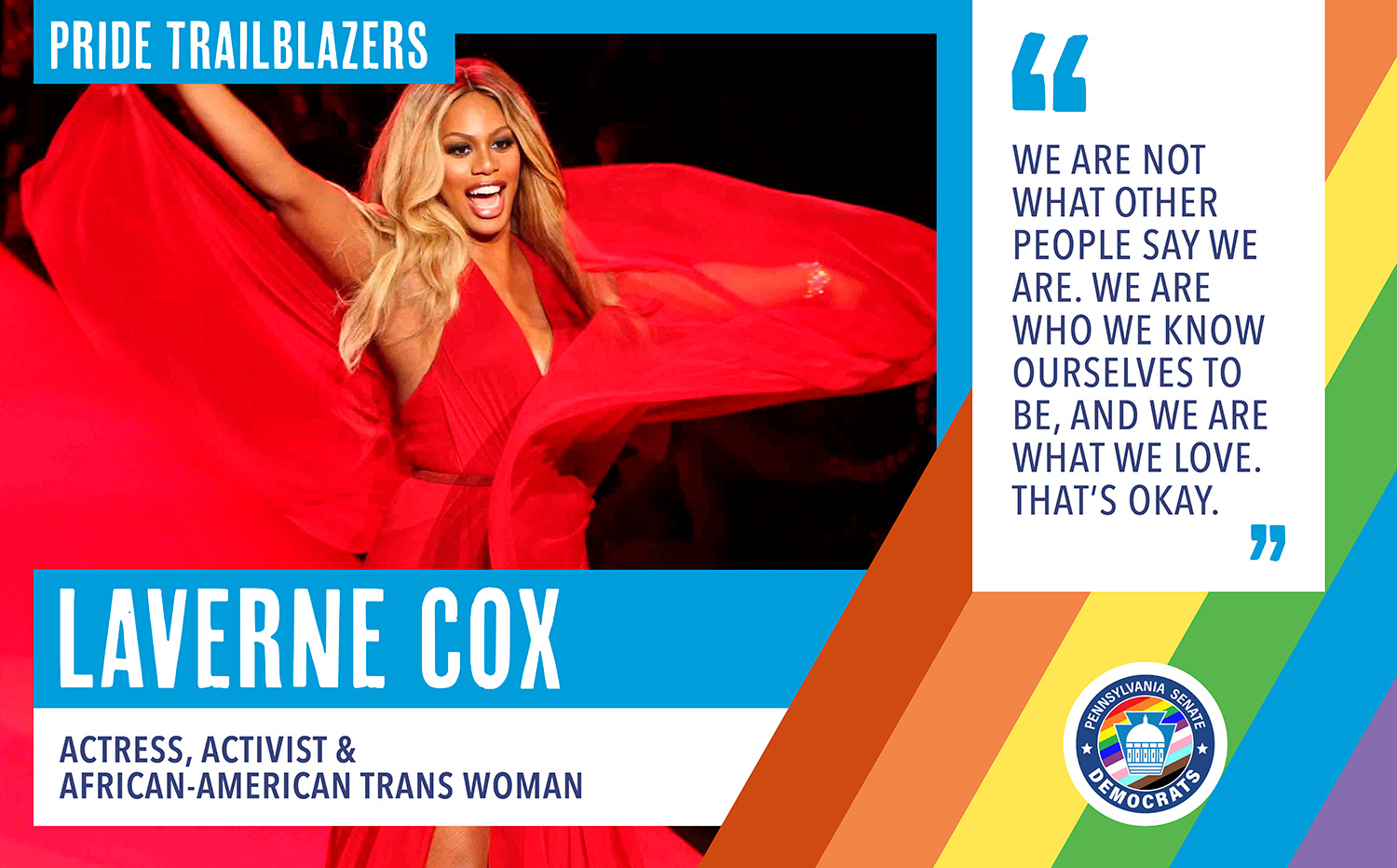
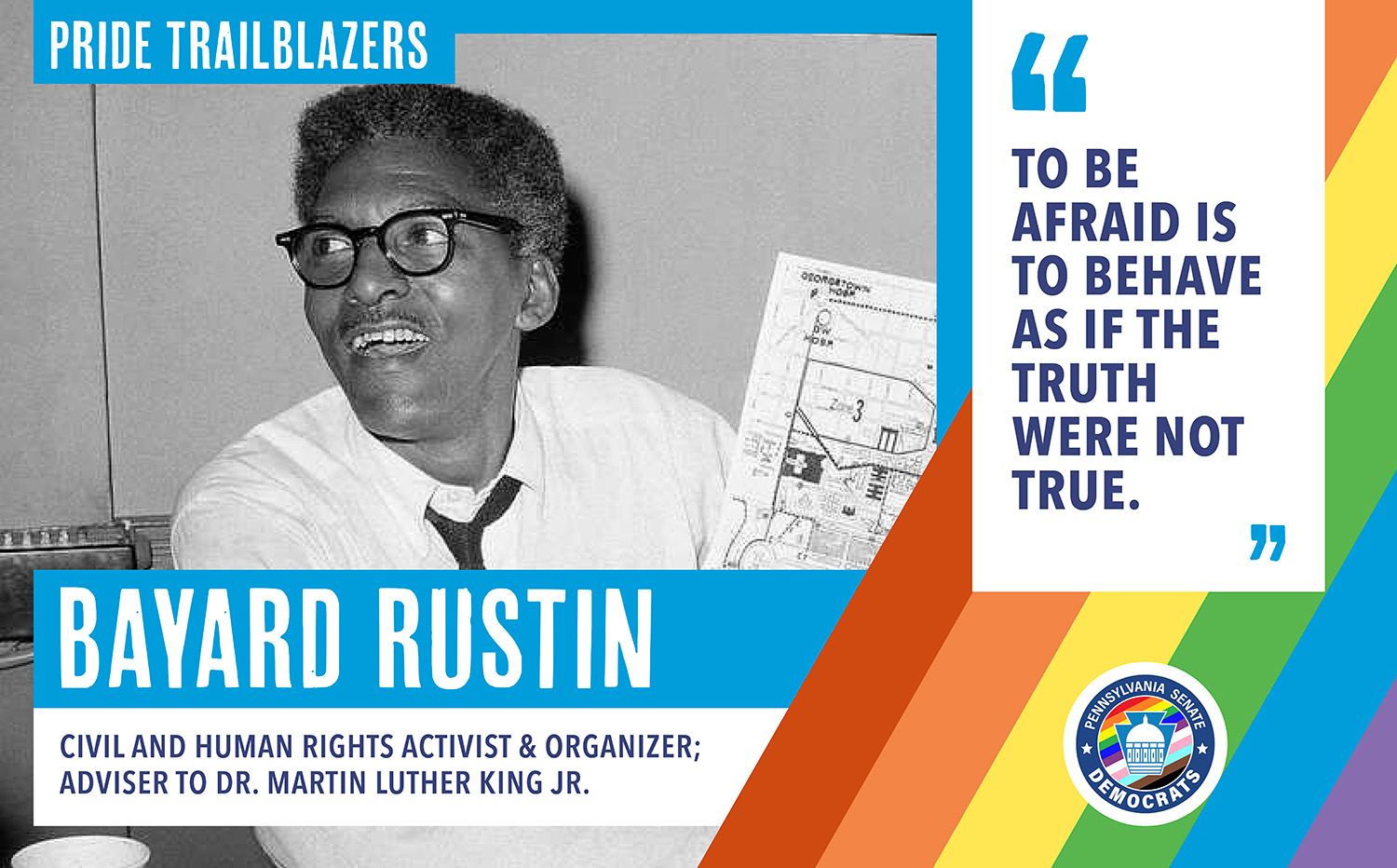
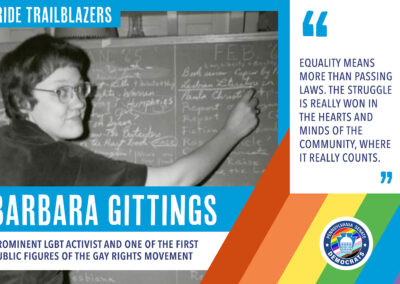
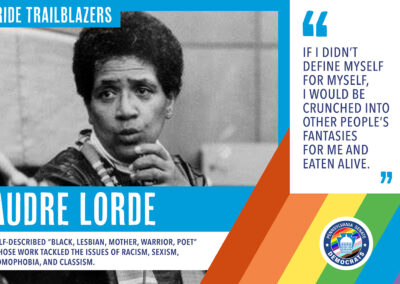
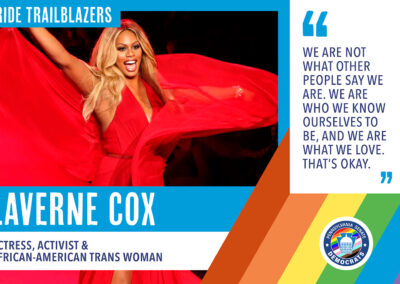
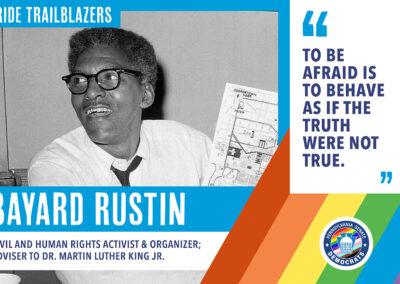
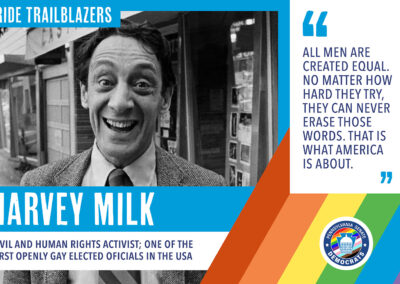
Trailblazers