
Measles
Measles is a highly contagious disease that can lead to serious health complications, especially for babies and young children. Anyone who is not fully vaccinated against measles is at risk. Severe measles can lead to hospitalization and even death.
Protecting Our Families from Measles
Monday, August 31, 2026 | 3:30 PM
The History and Impact of Measles
Measles is a highly contagious viral disease that has posed significant challenges to public health for centuries. First documented in the 9th century, measles outbreaks have historically resulted in high morbidity and mortality rates, especially among children. With the development of the measles vaccine in the 1960s, the incidence of the disease dramatically decreased, highlighting the critical role of vaccination in disease prevention. However, recent declines in vaccination rates have led to resurgences, underscoring the ongoing need for vigilant public health efforts.

Key Statistics and Insights
In 2019, measles cases worldwide surged to nearly 870,000, the highest number reported in over two decades.
Measles vaccination has prevented an estimated 23 million deaths globally since 2000.
In the United States, measles was declared eliminated in 2000, but outbreaks have reoccurred due to declining vaccination rates.
Approximately 86% of the world's children received the first dose of the measles vaccine in 2020.
Measles is one of the leading causes of death among young children, despite the availability of a safe and effective vaccine.
In 2018, the World Health Organization reported that measles vaccination coverage needed to reach 95% to prevent outbreaks.
Common Questions About Measles
Learn more about measles, its symptoms, and how to prevent it effectively.
What are the signs and symptoms of measles?
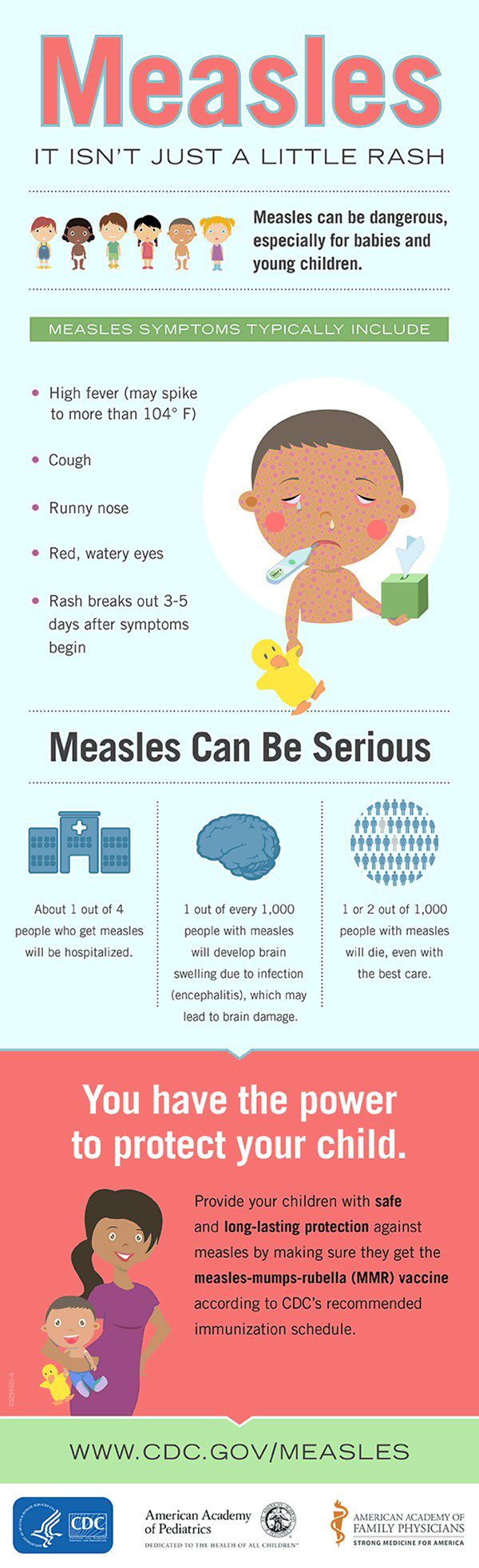
Symptoms of measles usually begin 7–14 days after exposure to the virus. A prominent rash is the most visible symptom.
Early symptoms usually last 4–7 days. They include:
- fever
- running nose
- cough
- red and watery eyes
- small white spots inside the cheeks.
The rash appears 3 to 5 days after the first symptoms, usually on the face and upper neck. It spreads over about 3 days, eventually downward to the trunk, arms, legs and feet. It usually lasts 4–8 days before fading.
Most deaths from measles are from complications related to the disease.
Complications can include:
- blindness
- encephalitis (an infection causing brain swelling and potentially brain damage)
- severe diarrhoea and related dehydration
- ear infections
- severe breathing problems including pneumonia.
If a woman catches measles during pregnancy, this can be dangerous for the mother and can result in miscarriage or her baby being born prematurely with a low birth weight.
Complications are most common in children under 5 years and adults over age 30. They are more likely in children who are malnourished, especially those without enough vitamin A or with a weak immune system from HIV or other diseases. Measles itself also weakens the immune system and can make the body “forget” how to protect itself against infections, leaving children extremely vulnerable.
What is the cause and how is measles spread?
Measles is a highly contagious disease that can lead to serious health complications. Measles spreads through coughing and sneezing from an infected person. A person might catch measles just by being in the same room as someone who is infected, even if they already left. The virus can linger in the air for up to two hours. If someone breathes in this contaminated air or touches contaminated surfaces and then touches their face (like their eyes, nose, or mouth), they could become infected. A person with measles can spread the virus to others starting 4 days before through 4 days after the rash or symptoms appear.
What is the treatment for measles?
There is no specific treatment for measles. Caregiving should focus on relieving symptoms, making the person comfortable and preventing complications.
Drinking enough water and treatments for dehydration can replace fluids lost to diarrhoea or vomiting. Eating a healthy diet is also important.
Doctors may use antibiotics to treat pneumonia and ear and eye infections.
Two doses of vitamin A are recommended for all suspected measles cases in children under 5 years of age, immediately on diagnosis and repeated the next day, according to the dosing indicated by the health practitioner. A third dose is recommended for any clinical signs of vitamin A deficiency with eye complications and should be given 4–6 weeks later. This restores low levels of vitamin A that occur even in well-nourished children. It can help prevent other complications from measles, including eye damage and blindness. Vitamin A supplements may also reduce the number of measles deaths.
How can measles be prevented?
Community-wide vaccination is the most effective way to prevent measles. All children should be vaccinated against measles. The vaccine is safe, effective and inexpensive.
Children should receive two doses of the vaccine to ensure they are immune. The first dose is usually given at 9 months of age in countries where measles is common and 12–15 months in other countries. A second dose should be given later in childhood, usually at 15–18 months.
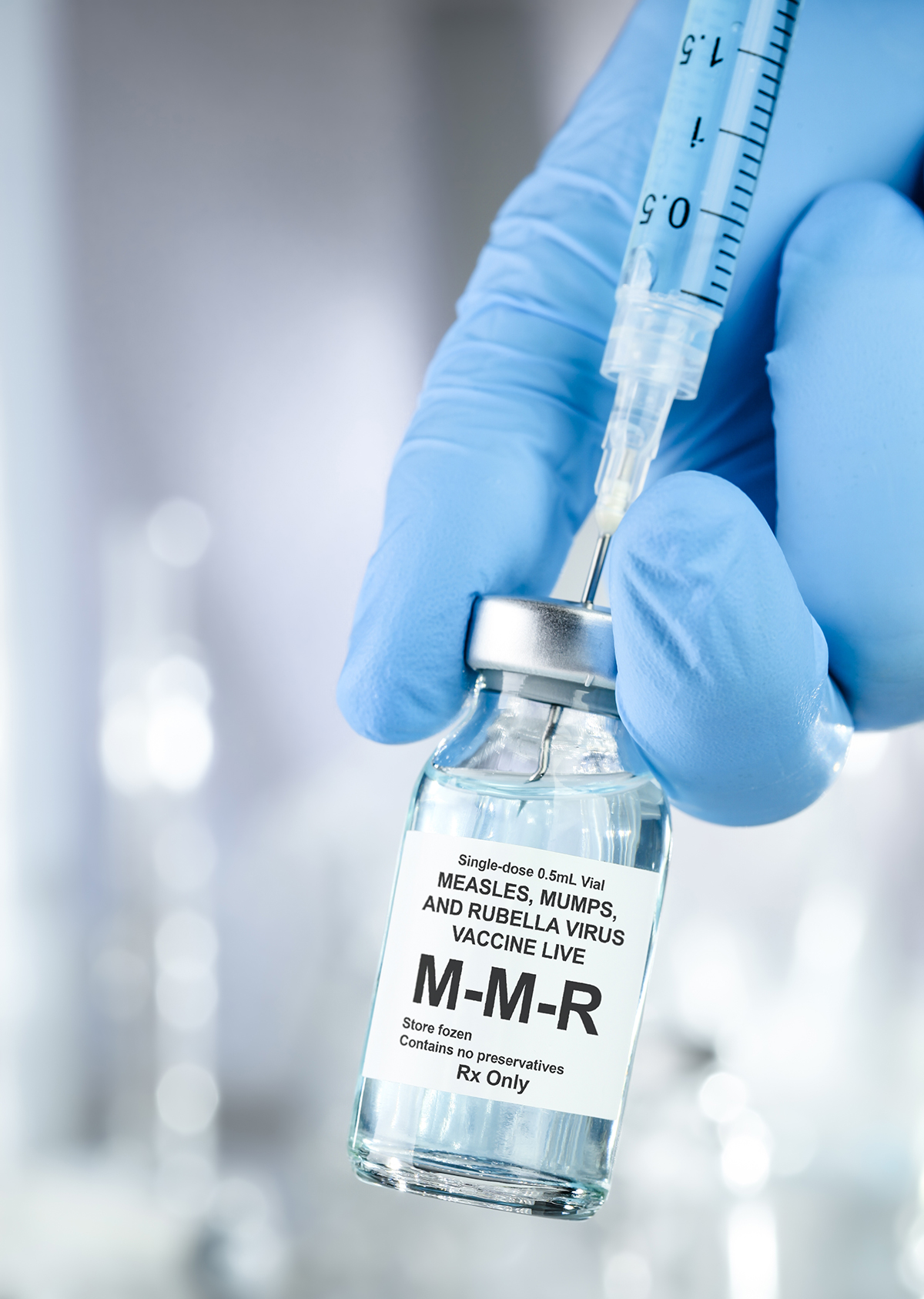
The measles vaccine is given alone or often combined with vaccines for mumps, rubella and/or varicella.
Routine measles vaccination, combined with mass immunization campaigns in countries with high case rates are crucial for reducing global measles deaths. The measles vaccine has been in use for about 60 years and costs less than US$ 1 per child. The measles vaccine is also used in emergencies to stop outbreaks from spreading. The risk of measles outbreaks is particularly high amongst refugees, who should be vaccinated as soon as possible.
Combining vaccines slightly increases the cost but allows for shared delivery and administration costs and importantly, adds the benefit of protection against rubella, the most common vaccine preventable infection that can infect babies in the womb.
In 2025, 77% of children received both doses of the measles vaccine, and about 84% of the world’s children received one dose of measles vaccine by their first birthday. Two doses of the vaccine are recommended to ensure immunity and prevent outbreaks, as not all children develop immunity from the first dose.
Approximately 29 million infants remained under-protected against measles in 2025, according to WHO and UNICEF estimates.
Benefits of Measles Vaccination
High Efficacy
The measles vaccine is highly effective, providing immunity to 97% of those who receive two doses.
Community Protection
Vaccination helps achieve herd immunity, protecting those who cannot be vaccinated, such as infants and those with weakened immune systems.
Long-lasting Immunity
Once vaccinated, individuals are typically protected for life, reducing the risk of outbreaks.
Safe and Proven
The measles vaccine has been used safely for decades and is thoroughly tested for safety and efficacy.
Voices from Our Community
“In Pennsylvania, public health decisions are guided by rigorous medical science, not shifting national agendas. Vaccines are the best tools we have to protect our communities from preventable diseases, and they have demonstrated this over and over again for generations. As a pediatrician, I know that splitting up combination immunizations, like the MMR vaccine, creates unnecessary hurdles for parents, needlessly extends the window of risk for our youngest residents, and doesn’t follow the results of the many studies that went into developing the previous vaccine schedules. Here in Pennsylvania, we will continue to follow the facts and evidence-based medicine to keep our children and communities safe.”
Pennsylvania Secretary of Health
Dr. Debra Bogen
in response to the Trump Administration’s executive order to try to upend the nation’s childhood vaccine schedule
Protect Your Health Today
Join us in the fight against measles by getting vaccinated. Protect yourself and your community. Click below to discover more about prevention strategies and vaccination locations.